Polymathy – excelling across and connecting many fields – is the most sought-after profile in the future job market. Here’s why.
WHAT IT IS
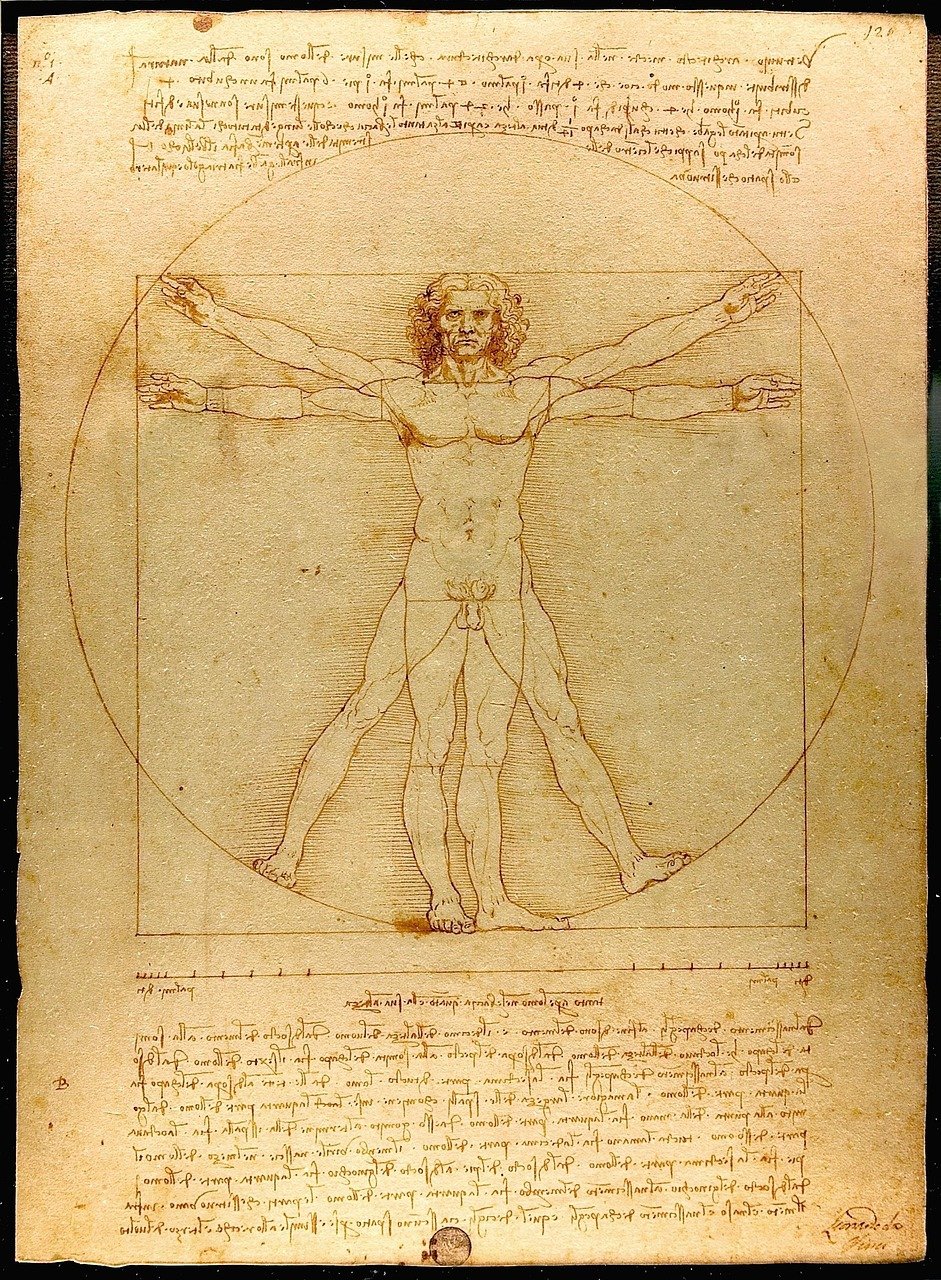
Polymathy is breadth of knowledge and skill across many fields, together with the ability to connect them. A polymath doesn’t merely know a lot; they move between fields — using mathematics to inspire design, science to drive invention, communication to lead. Leonardo da Vinci and Isaac Newton are the archetypes: their originality was born exactly where fields met.
World‑changing innovators are rarely one‑dimensional
Work by Robert and Michele Root‑Bernstein has repeatedly shown that eminent scientists and innovators are disproportionately polymathic – they maintain rich, interlocking networks of professional and avocational interests. In a statistical study of Nobel laureates, polymathic networks of vocational and avocational interests predominated among prize‑winners, supporting the idea that wide-ranging engagement is a creative strategy rather than an accident.
Polymathy and leadership
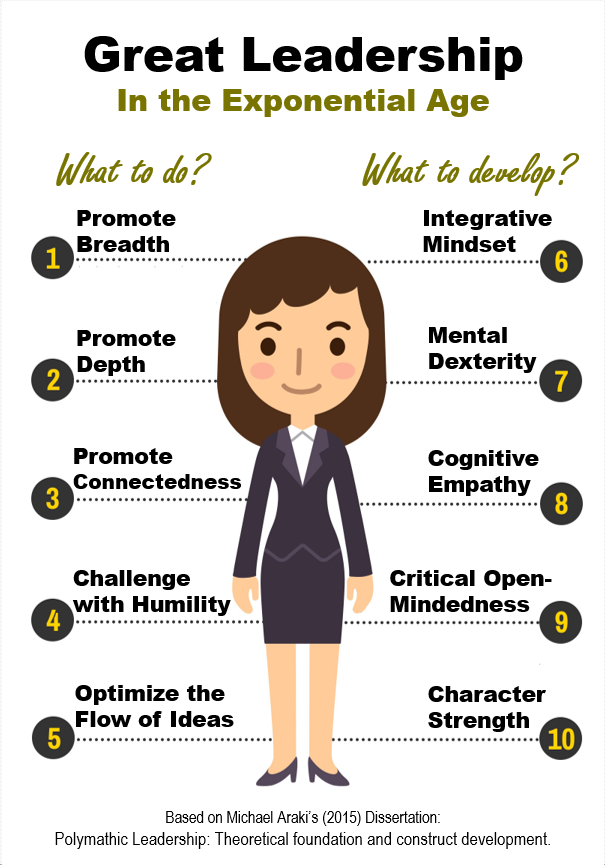
Originality – and leadership – live in the connections: where maths meets creativity, science meets communication. By cultivating breadth, we don’t dilute a child’s talent; we give it the raw material of real creativity and the tools to lead. Araki’s dissertation “Polymathy: the foundational source of creativity and innovation” formalizes polymathy as the conjunction of breadth, depth, and integration in a person’s knowledge base. It introduces the Polymathic Orientation (PO) Scale and shows empirically that polymathic orientation predicts creativity across all stages of the innovation process – idea generation, development, championing, and implementation – even after controlling for traits like Openness to Experience.
Why it matters now
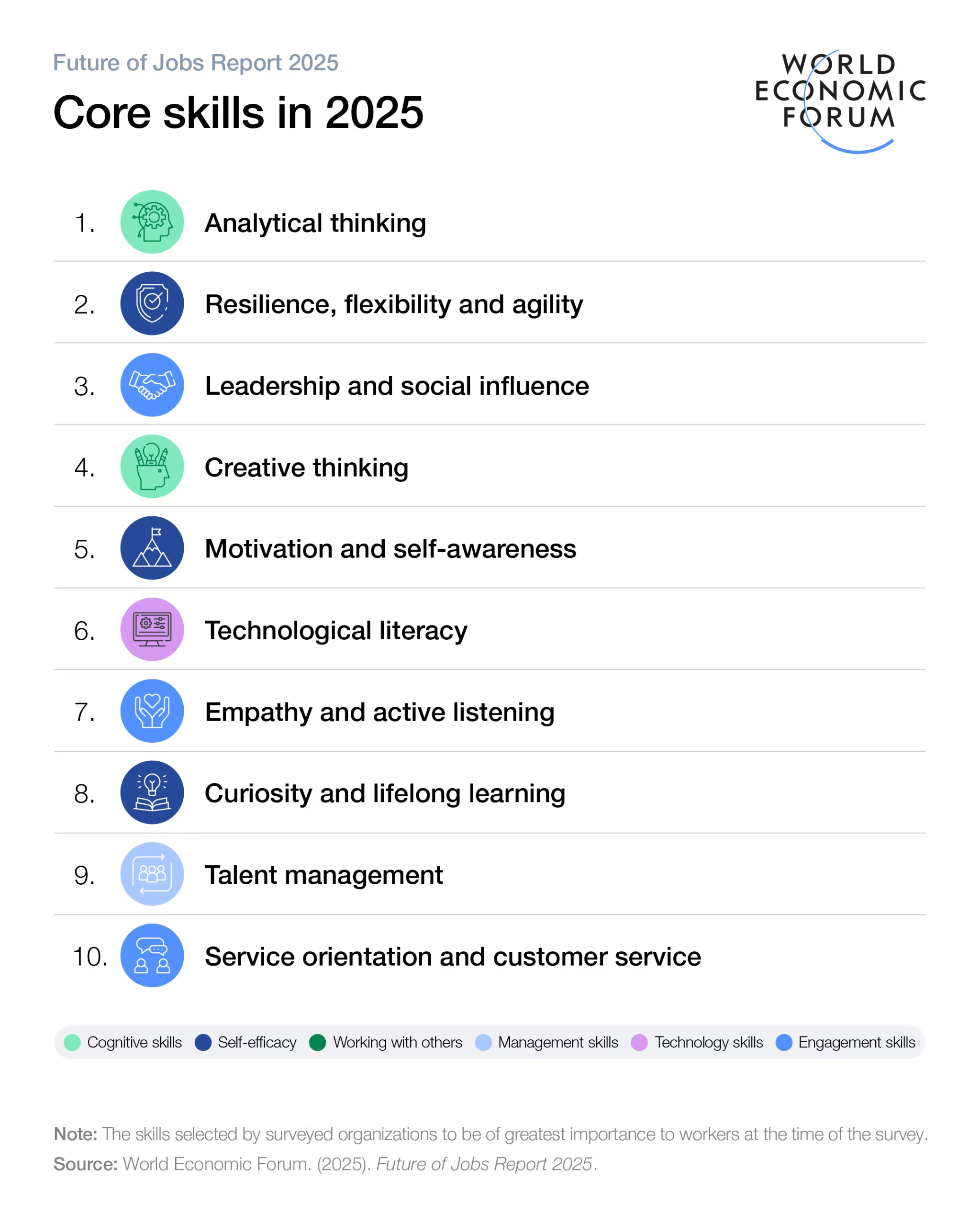
For a generation growing up alongside AI, this is no luxury – it is the most sought-after asset there is. The World Economic Forum’s Future of Jobs 2025is blunt: the skills employers want most are analytical thinking, creative thinking, leadership and resilience – and the profiles they cannot find are those that combine technical ability with human skills like communication and critical thinking. AI is replacing narrow, one-dimensional work and rewarding those who think across fields and lead. That combination is polymathy.
HOW WE TEACH POLYMATHY
Every activity unites at least two fields and builds at least one leadership trait. Children don’t sit and listen; they build, design, code, present. A child who models a bridge (maths + engineering), then designs and pitches it (design + public speaking + leadership) has done something no single subject teaches – and exactly what the market is asking for.